


"To study the environment is to understand its complexity, protect biodiversity, and anticipate threats: our research aims to transform data and knowledge into concrete actions for conservation."
The Magiamare Siena research group (https://magiamaresiena.unisi.it/), through this line of research, promotes an integrated and multidisciplinary approach to the sustainable management of the environment and natural resources, with a particular focus on marine, terrestrial, and agro-industrial ecosystems. The active projects aim to promote regenerative models in the agricultural, forestry, marine, and industrial sectors, combining ecosystem conservation with circular economy strategies, climate change adaptation, and the active involvement of local communities.
The NatNet project was created with the ambition of strengthening the ecological coherence of the Natura 2000 Network, moving beyond the mere conservation of habitats and species to promote a new vision of the landscape as a living network. The research group works at the intersection of landscape ecology, territorial governance, and socio-environmental well-being, developing tools for the functional mapping and ecological connectivity between protected areas, while considering threats related to climate change and infrastructure expansion. The project aims to enhance the role of ecological networks in providing ecosystem services and to promote innovative and sustainable management models from an integrated land management perspective.
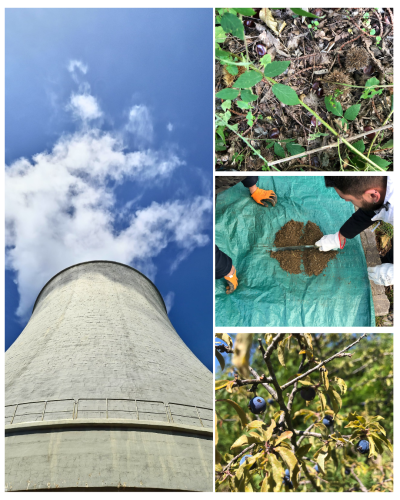
In a region like Tuscany, which is strongly characterized by the presence of geothermal plants, the study of the interactions between extractive activities, ecosystems, and local communities is fundamental for promoting equitable and sustainable environmental management. The research group is involved in the integrated assessment of the ecological and landscape impacts of geothermal activities through the monitoring of soil quality, water, and biodiversity. The activities are oriented toward developing sustainability indicators and decision-making tools useful for territorial planning, contributing to the debate on energy transition with an approach based on scientific evidence and active participation (https://magiamaresiena.unisi.it/enel/).

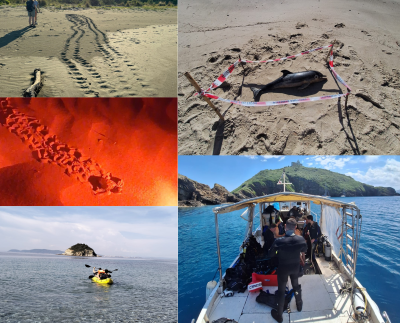
In the heart of the Maremma, "La Casa dei Pesci" (The House of Fish) project represents a model of social and environmental innovation that combines scientific research, art, and the defense of marine ecosystems. The research group contributes to the evaluation of the ecological effectiveness of submerged artificial barriers in the coastal stretch of the Maremma Park, which are aimed at protecting Posidonia oceanica seagrass meadows and preventing illegal fishing.

This project also expands its scope to include the "Casa dei Polpi" (House of Octopuses), structures specifically designed to promote biodiversity and the recovery of habitats for these cephalopods, which are key animals for the balance of local marine ecosystems. The initiative promotes a new pact between local communities, institutions, and the environment, enhancing the role of fishermen as active guardians of the sea and integrating cultural awareness, legality, and marine conservation (https://casadeipesci.it/).
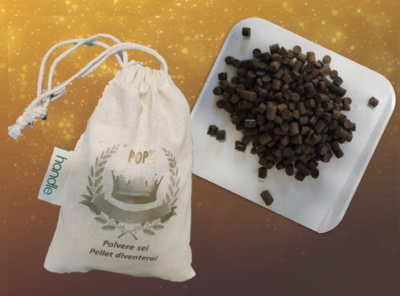
The POPE project addresses the challenge of enhancing the value of olive mill waste by transforming organic residues like powders and pellets into soil conditioners for agriculture. The project integrates agronomic analyses, environmental risk assessments, and Life Cycle Assessment to develop solutions that improve soil quality and promote the sustainability of olive production, contributing to an agro-industrial circular economy model. The project represents a virtuous model of a circular economy in the agri-food sector and promotes the interaction between research, businesses, and the territory to reduce environmental impact and valorize by-products as a resource (https://magiamaresiena.unisi.it/pope/).